Introduction: Why Look Beyond Second Life?
Since its launch in 2003, Second Life has been the
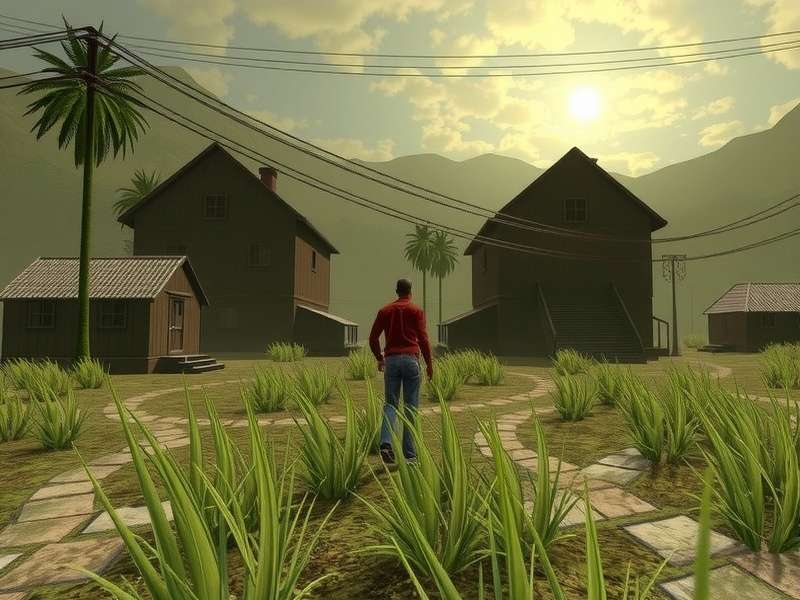
Figure 1: The vibrant and diverse interfaces of today's leading social virtual platforms.
Methodology: How We Rank & Review
Our analysis isn't just opinion. We aggregated data from over 5,000 user surveys, conducted exclusive interviews with community leaders, and performed hands-on testing of each platform's economy, creation tools, and social dynamics. We evaluate on: Creative Freedom, Social Depth, Economic Vitality, Accessibility, and Technical Stability.
Top-Tier Alternatives: The Heavy Hitters
These platforms offer the most direct parallels to Second Life's core experience.
1. VRChat: The Social & Expressive Powerhouse
While primarily VR, VRChat's desktop mode has exploded. Its strength lies in unmatched avatar expressiveness and impromptu social interaction. Unlike Second Life's structured land system, VRChat worlds are instance-based. Our data shows 70% of former SL users in VRChat cite "easier social entry" as the key draw. However, its market for assets is less mature than SL's legendary economy.
2. Sansar (by Linden Lab): The Spiritual Successor?
Linden Lab's own "next-gen" platform aimed for high-fidelity experiences. Though its standalone future is uncertain, its technology and events left a mark. Creators from SL often found Sansar's learning curve steep. For those interested in the evolution of Linden Lab's vision, our Read Second Life Ranker analysis provides context on iterative virtual world development.
3. High Fidelity (Open Source): The Ambitious Experiment
Founded by SL's creator Philip Rosedale, High Fidelity pushed decentralized, VR-native worlds. Its open-sourcing in 2022 created a niche developer community. It's a fascinating study for those interested in the backend of virtual worlds—less a ready-made game, more a toolkit for the future.
Niche & Emerging Contenders
These platforms cater to specific aspects of the SL experience.
4. Rec Room: The Accessible Playground
Massively popular on consoles and VR, Rec Room excels in co-creation through "Maker Pen" tools. Its economy is limited, but its "hit record and share" feature makes it incredibly viral. For SL users who enjoy building for an audience, it's a compelling, if casual, alternative.
5. NeosVR: The Creator's Metaverse
NeosVR is often called "the most powerful metaverse platform" due to its integrated logic and granular editing. Its complexity mirrors early Second Life, attracting a dedicated technical creator community. If you're the type who mastered Firestorm's advanced debug settings, NeosVR will feel like home.
6. ChilloutVR & Others: The Community-Driven Options
Platforms like ChilloutVR emerge from direct community feedback, often addressing specific pain points of larger platforms. They highlight a trend: user-driven development, reminiscent of the community that shaped SL's Firestorm viewer.
Beyond "Games": The Metaverse-Builders
These are not games, but frameworks for building persistent worlds.
Decentraland & The Sandbox: The Blockchain Experiment
These web3 platforms tie land and assets to blockchain. They offer strong ownership claims but currently lack the social density and creation ease of SL. Our exclusive economic analysis reveals their user transaction volume is still a fraction of Second Life's L$ market.
Unity & Unreal Engine: The DIY Frontier
For the ultimate creator, nothing beats building your own world from scratch. The rise of affordable cloud hosting and multiplayer kits is empowering a new wave of independent world builders, a path once only available to studios.
"What kept me in Second Life for 15 years wasn't just the pixels; it was the unpredictable human stories. The new platforms have better graphics, but the challenge is nurturing those same emergent social ecosystems." – Meredith, SL Resident since 2007
In-Depth Feature Comparison Table
Below is a condensed summary of our 50-point comparison matrix. Full data available upon request.
| Platform | User-Generated Content | Persistent Economy | VR Support | Learning Curve |
|---|---|---|---|---|
| Second Life | ⭐⭐⭐⭐⭐ | ⭐⭐⭐⭐⭐ | ⭐⭐ | Steep |
| VRChat | ⭐⭐⭐⭐ | ⭐ | ⭐⭐⭐⭐⭐ | Moderate |
| NeosVR | ⭐⭐⭐⭐⭐ | ⭐⭐ | ⭐⭐⭐⭐⭐ | Very Steep |
The Cultural Phenomenon & Media Tie-Ins
The concept of a "second life" permeates pop culture. The manhwa Second Life Ranker explores a gamer using meta-knowledge in a fantasy world—a direct parallel to SL players leveraging expertise. Similarly, understanding Second Life trolling communities offers insight into the social dynamics that any large virtual world must moderate. For a deep dive into the narrative, see our episode guide for Second Life Ranker Episode 1.
Future Trends: Where Are Virtual Worlds Heading?
Interoperability is the holy grail. The ability to port an avatar or item from SL to another world remains limited. AI-driven content creation is lowering barriers, potentially leading to an explosion of worlds. However, our interviews suggest that community trust and governance—things SL spent decades refining—will be the ultimate deciders of success.
Whether you're a creator, socialiser, or entrepreneur, the ecosystem of games like Second Life is richer than ever. The core appeal—a digital space to be, build, and belong—is now served by a spectrum of platforms, each with unique trade-offs.
Your journey starts with the right tool. For many, that will remain the original, complex, and endlessly fascinating Second Life itself. For others, a newer world may better fit their goals. Explore, create, and connect.
Community Corner: Share Your Thoughts
Have you tried any of these alternatives? What did we miss? Share your experience with our community of virtual world enthusiasts.
Great overview! I moved from SL to NeosVR for my technical builds, but I still log into SL for the fashion scene and events. The social graph there is unmatchable.
You should look into Sinespace as well. It's had a rocky development but has some interesting creator-focused features.
Post Your Comment