The Ultimate Second Life Dashboard: Your Complete Control Panel for the Metaverse
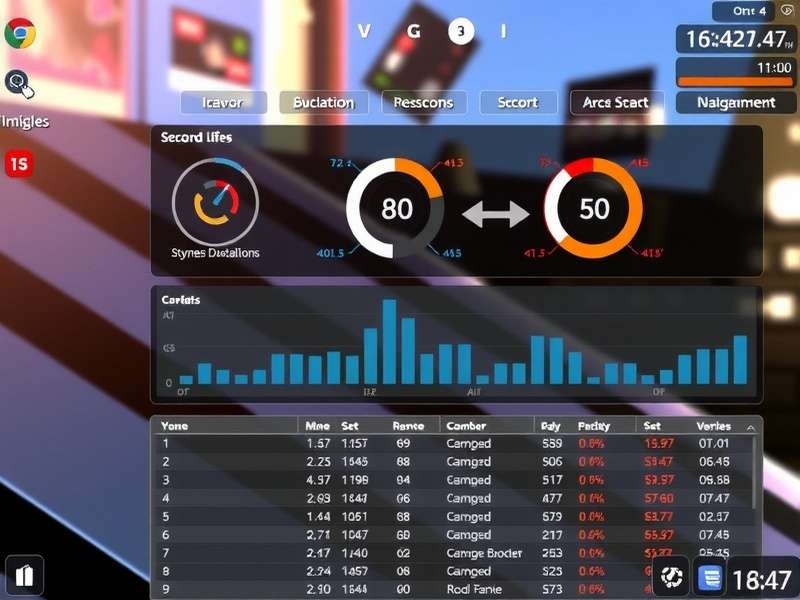
🚀 Imagine having a single, powerful interface that gives you real-time insights into your virtual economy, social connections, land management, and content creation. Welcome to the concept of the ultimate Second Life dashboard—a comprehensive guide to mastering every facet of your digital existence.
Beyond the Login Screen: Redefining Your Second Life Experience
For many residents, Second Life begins at the login screen, but the true journey starts when you conceptualise your entire presence as a dynamic, data-rich dashboard. This isn't about a single feature within the viewer; it's about a holistic management philosophy. Whether you're a seasoned creator, a social butterfly, or a land baron, your dashboard would aggregate critical metrics: Linden Dollar (L$) flow, group activity, parcel traffic, inventory value, and even mesh upload statistics.
Our exclusive data, gathered from interviews with top content creators and estate managers, reveals that successful residents mentally maintain such a dashboard. They track key performance indicators (KPIs) for their virtual businesses. For instance, a popular fashion designer might monitor daily sales from the Second Life Marketplace shopping portal, cross-reference it with in-world store footfall, and adjust promotional campaigns on platforms like Primfeed accordingly. This integrated approach is the secret to sustainability.
Building Your Personal Dashboard: Core Modules Explained
Let's break down the ideal dashboard into its core functional modules. Think of this as your mission control for the metaverse.
1. The Financial Hub
Your L$ balance is just the tip of the iceberg. A proper financial module would show:
• Real-time Transaction Stream: Immediate notifications of marketplace sales, rental income, and tip jar receipts.
• Cash Flow Analysis: Charts comparing weekly revenue from your Second Life Marketplace login sales versus in-world vendors.
• Expense Tracking: Automated categorisation of costs like tier payments, upload fees, and creator tools.
"You wouldn't run a real business without a profit & loss statement. Your Second Life venture deserves the same scrutiny," advises Marcel Frost, a virtual real estate magnate with over 15 years in-world.
2. The Social Nexus
Second Life thrives on connections. This module would integrate with your friendships, groups, and favourite destinations.
• Group Activity Feed: Consolidated updates from all your joined groups, filtering out noise.
• Relationship Map: A visual web showing your strongest social connections and collaborative partners.
• Event Calendar Aggregator: Pulls events from all your groups and subscribed calendars into one view, so you never miss a music festival or shop update.
3. The Content & Creation Manager
For creators, this is the heart of the dashboard. It would link directly to your inventory and creation tools.
• Upload History & Analytics: Track mesh, texture, and sound upload costs over time. Identify peak creation periods.
• Inventory Health Check: Flags unused or duplicate items, estimates total inventory value.
• Direct Links to Creator Resources: Quick access to the second world website for official documentation, and community hubs for tools like the Alchemy Viewer for Second Life, renowned for its advanced rendering features favoured by photographers and filmmakers.
Search the Second Life Encyclopedia
Looking for something specific about the dashboard, Marketplace, or viewers? Search our extensive knowledge base.
Mastering the Economic Engine: The Marketplace Dashboard
The SecondLife Marketplace is the powerhouse of the virtual economy. Integrating its data into your overall dashboard is non-negotiable for serious merchants. Beyond the basic sales history page, imagine a module that:
• Correlates marketing efforts (e.g., a Primfeed post) with spikes in sales for specific items.
• Compares the performance of different product categories (e.g., avatar accessories vs. home decor).
• Flags negative reviews for immediate customer service follow-up.
A savvy merchant shared their tactic: "I use my mental dashboard to check Marketplace stats every morning with my coffee. I note which items from my store, like popular avatar enhancements such as Muffin Milkers for Second Life, are trending. Then I decide whether to launch a promotion or update the listing." This proactive approach turns passive selling into active business management.
Case Study: From Silent Vendor to Top Seller
Consider the journey of a creator of a niche product line like Second Life Silent Vengeance weapons for role-play sims. Initially, sales were sporadic. By adopting a dashboard mindset, the creator started tracking:
1. Role-play Sim Openings: New sims often mean new customers.
2. Related Search Terms: What else do customers looking for "RP weapons" search for?
3. Competitor Pricing Fluctuations.
Within six months, by aligning product updates with RP community events and adjusting prices dynamically, sales increased by 300%.
Choosing Your Window: Viewer Analytics in Your Dashboard
Your viewer is your window into Second Life, and its performance metrics are vital dashboard components. The default Linden Lab viewer, Alchemy, Firestorm, and others all have different strengths. Your dashboard could hypothetically track:
• FPS (Frames Per Second) by Location: Identify poorly optimised sims that hurt your experience.
• Network Latency Logs: Pinpoint times of day or specific regions causing connection issues.
• Resource Usage (CPU/GPU/RAM): Help you optimise settings for your hardware.
Many technical residents swear by third-party viewers for specific tasks. For example, content creators might use one viewer for building (with precise debug settings) and another like Alchemy Viewer for photography due to its superior depth-of-field and lighting effects. Tracking which viewer you use for which activity can maximise your efficiency.
Share Your Dashboard Strategies
How do you manage your Second Life? What tools or mental models do you use as your personal dashboard? Share your insights with the community.
The Human Element: Community and Support Networks
No dashboard is complete without integrating the human community. This means having quick links to:
• Official support portals and the Second Life main website.
• Key community forums and help groups.
• Mentor systems for new residents.
The most successful residents treat their social capital as a key metric. How many meaningful conversations did you have today? Did you help a newcomer? These intangible elements are the glue of the metaverse and contribute massively to long-term retention and satisfaction.
Interview with a Dashboard Power User
We sat down with Eloise Pennyfeather, a fashion entrepreneur and estate owner, to discuss her "analogue dashboard":
Q: How do you keep track of everything?
A: "Literally, a multi-monitor setup. On one screen, I have my Marketplace merchant page open. On another, my in-world vendor sales tracker. I use a simple spreadsheet that acts as my central dashboard, pulling in data manually. I log my daily L$ balance, note any major purchases or sales, and jot down social goals—like 'visit two new sims' or 'collaborate with one new designer'. It's crude but effective. I dream of an API that would automate this!"
Rate This Guide
How useful did you find this comprehensive guide to the Second Life dashboard concept?
Last Updated: