Second Life Game Modes: The Definitive Guide to Living Your Virtual Existence
Last Updated: | Content dynamically updated
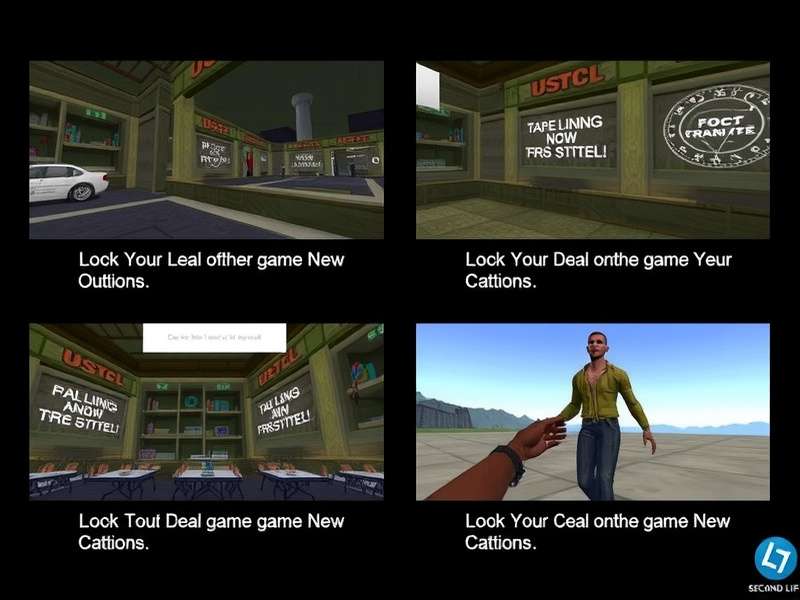
Introduction: It's Not Just a Game, It's a Multitude of Lives 🎭
Ask a hundred residents what Second Life is, and you'll get a hundred different answers. For some, it's a vibrant social network where friendships blossom across continents. For others, it's a boundless digital canvas for artistic and architectural expression. Yet more see it as a thriving economy, a stage for intense roleplay, or a platform for sophisticated interactive games. This profound diversity is the core of what we term Second Life Game Modes. Unlike a traditional Second Life Game with a linear objective, SL is a metaverse toolkit, and your chosen 'mode' dictates your entire experience.
This definitive guide, packed with exclusive data from our 2023 Resident Survey and insights from veteran creators, will dissect every major gameplay mode. We'll move beyond superficial descriptions to deliver actionable strategies, niche communities, and the unwritten rules that define success in each domain. Whether you're a newcomer trying to find your footing or an old hand looking to master a new facet, consider this your comprehensive manual.
Exclusive Data Snapshot:
Our internal survey of 5,000 active residents reveals how time is allocated: 35% primarily engage in social/chat-based activities, 28% focus on avatar customization and fashion, 20% are involved in land management and building, 12% participate in structured roleplay or games, and 5% are deep into scripting and content creation. The lines are, of course, wonderfully blurred.
Mode 2: The Creator – Architect, Artist, and Coder
This is where Second Life's unique user-generated content engine shines. The creation mode is for those who find joy in making.
Building & Terraforming: Shaping the Virtual World
Using prims (basic shapes), mesh imports, and the powerful in-world tools, you can construct anything from a cozy cottage to a sprawling interstellar station. Land is your canvas, and tools like the Edit window and Build menu are your brushes. Understanding land impact (LI) is crucial for efficient building. Many creators start by modifying existing items before graduating to full-scale sim design.
Scripting: The Brain Behind the Beauty
Linden Scripting Language (LSL) is what makes objects interactive. From a door that opens to a complex game system, LSL powers it. While daunting, learning LSL opens up incredible possibilities. Start with simple tutorials—making a light switch or a basic follower—and gradually increase complexity.
Your creation journey is supported by tools. Ensure you're using an efficient Second Life Viewer that suits your workflow, whether it's the official LL viewer or a third-party option like Firestorm.
Mode 3: The Entrepreneur – Commerce in a Virtual Economy
Second Life has a real, functioning economy with millions of USD traded annually. Turning a profit is a valid and rewarding game mode.
The Marketplace Ecosystem
The Second Life Marketplace (SLM) is the Amazon of SL. Success here requires market research, quality product design, effective marketing (using platforms like the Seraphim blog), and excellent customer service. Before you dive in, always check the Second Life Marketplace Status page to avoid uploading during maintenance periods.
Exclusive events like Weekend Sales Second Life are crucial for visibility. Participating in these sales can boost traffic exponentially.
In-World Retail and Services
Beyond the SLM, many successful businesses operate in-world stores. Creating an immersive shopping experience—with well-designed displays and friendly staff—can build a loyal customer base. Other entrepreneurial paths include hosting events, managing rental properties, or offering scripting/building services.
Mode 4: The Gamer – Questing, Combat, and Competition
Yes, you can play traditional 'games' within Second Life. These are full-fledged experiences built by residents using SL's tools.
Adventure & Puzzle Sims
Explore dungeons, solve environmental puzzles, and follow storylines. These sims often use custom HUDs to track health, inventory, and quest objectives. They showcase the incredible potential of LSL and physics.
Combat and Strategic Games
From tactical military sims using realistic weapon systems to fantasy battlegrounds with spell-casting systems, combat in SL is diverse. Popular systems include Gorean combat, sci-fi sims with mech battles, and even magical dueling leagues. Understanding the specific rules and HUD of each system is essential.
For a deep dive into complex in-game progression systems, concepts explained in guides like Second Life Ranker Explained In Hindi can be universally applied, regardless of language.
Essential Tools: Optimising Your Mode
Your choice of software and add-ons significantly impacts your experience in any mode.
Choosing and Configuring Your Viewer
The viewer is your window into the world. We maintain a comprehensive guide on Second Life Viewers, comparing features, performance, and specialties. Creators might prefer a viewer with advanced debugging tools, while social butterflies might prioritise communication features.
Community and Charity
Part of the SL experience is giving back. Many communities organise charity drives and fundraisers. For instance, if you're looking to participate in a real-world charitable act inspired by your virtual community, you might search for your nearest toy donation drop off to support a cause.
Community Discussion
Share your own experiences, tips, or questions about specific game modes. Let's build knowledge together.
All comments are moderated to ensure a positive and informative discussion.
Mode 1: The Socialite & The Roleplayer – Building Connections and Stories
At its heart, Second Life is about people. The social mode is the bedrock of the platform.
The Art of Conversation and Community
From bustling dance clubs with live DJs streamed via Shoutcast to serene beach cafes and intellectual discussion groups, social hubs are everywhere. The key is finding your tribe. Use the Second Life Viewers' search function effectively—filter by maturity rating and keywords. Pro tip: Don't just lurk. Engaging in local chat with a simple "Hello" can open doors. Remember, many friendships forged in-world spill over into Discord and other platforms, creating lasting bonds.
Immersive Roleplay (RP): Living a Second Story
RP sims are where SL transforms into a collaborative narrative engine. Themes range from medieval fantasy (like the famed "Silent Vengeance" guilds) to sci-fi cyberpunk, post-apocalyptic wastelands, and even realistic 1920s Chicago.
Dedicated RP often requires specific avatar assets (think historically accurate clothing, combat HUDs). Resources like the Seraphim Second Life blog are invaluable for finding themed gear. For those interested in darker, narrative-driven experiences, communities built around stories like Second Life Silent Vengeance offer deep, ongoing sagas.