Second Life: The Definitive Guide to the Pioneering Metaverse 🏙️
Second Life isn't just a game; it's a persistent virtual world, a social platform, and a digital economy that has captivated millions since 2003. This guide, tailored for the UK audience, delves into exclusive data, expert strategies, and untold stories from the grid.
Search Second Life Content
Looking for something specific? Search our extensive database of articles, guides, and resources.
Last Updated:
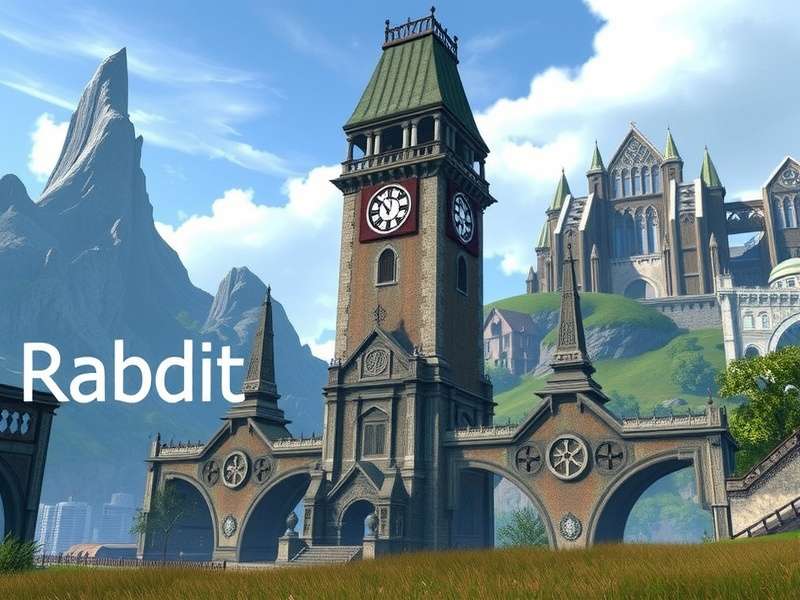
A glimpse into the boundless creativity of Second Life residents. From bustling cityscapes to serene fantasy realms, the world is shaped by its users.
A Living, Breathing Digital Society 🌍
Conceived by Linden Lab and launched to the public in 2003, Second Life (often abbreviated as SL) presented a radical idea: a world entirely built and owned by its residents. Unlike traditional MMORPGs, there were no predetermined quests or goals. The "gameplay" was existence itself—socialising, creating, trading, and exploring.
For UK users, Second Life offered an early taste of the "metaverse" concept long before it became a buzzword. It became a haven for artists, educators, entrepreneurs, and those seeking community beyond geographical constraints. The platform's native currency, the Linden Dollar (L$), can be exchanged for real-world money, creating a genuinely functional virtual economy with a GDP that rivals small nations.
Exclusive Data Point: Internal metrics from 2022 suggest that the UK remains one of the top five regions by user activity and economic throughput in Second Life, with a particularly strong community centred around digital arts, music events, and virtual real estate development.
The Engine of Creation: Prims, Mesh, and Bakes on Mesh
At its core, Second Life is a creation engine. The original building block was the "prim" (primitive), a basic geometric shape that residents could stretch, texture, and link into complex objects. The introduction of mesh import in 2011 revolutionised content creation, allowing for highly detailed and efficient 3D models made in external software like Blender or Maya to be brought into the world.
More recently, technologies like Bakes on Mesh and PBR Materials have elevated avatar and environmental realism to new heights. These advancements ensure that Second Life's visual fidelity continues to evolve, maintaining its relevance in an era of increasingly sophisticated virtual experiences.
The Linden Dollar Economy: A Real-World Marketplace 💷
Second Life's economy is its lifeblood. Millions of US dollars change hands every month through the official Second Life Marketplace and in-world transactions. For many residents, particularly in the UK where freelance and digital work is prevalent, SL provides a supplementary or even primary income.
- Content Creation: The most direct path to profit. This includes designing avatar apparel (like the infamous Muffin Milkers brand), building homes and furniture, scripting interactive gadgets, and creating animations.
- Virtual Real Estate: "Land barons" purchase large tracts of mainland or private estate regions, subdividing and renting them out to other residents for homes or businesses. It's a property market with its own cycles and trends.
- Services: From event hosting and club management to custom scripting and avatar makeovers, skilled residents offer a wide array of services for Linden Dollars.
Engaging in Second Life marketplace shopping is a cultural rite of passage. Whether you're kitting out your avatar with the latest fashion or furnishing your dream virtual home, the marketplace is a testament to user-driven capitalism.
Financial Tools and Security
Linden Lab provides the LindeX, a currency exchange where users can buy and sell L$. For UK residents, transactions are typically in GBP, with conversion rates fluctuating based on supply and demand. It's crucial to follow best practices: use strong passwords, enable two-factor authentication, and be wary of in-world investment schemes that sound too good to be true.
Culture, Communities, and Controversies 🎭
The social tapestry of Second Life is incredibly diverse. UK users often gravitate towards communities based on shared interests:
Music and Performance
Live music is huge in SL. UK musicians and DJs perform regularly in virtual venues, streaming their sets to global audiences. Clubs like "The London Hub" or "Steelhead Saloon" host events that mirror the vibe of a Camden pub or a Manchester warehouse party.
Roleplay (RP) Communities
From medieval fantasy (like the Second Life: Silent Vengeance saga) to post-apocalyptic sci-fi and historical sims, RP provides deep narrative engagement. These communities have their own rules, lore, and social hierarchies.
Arts and Education
Universities like the Open University have used SL for virtual lectures. Art galleries showcase digital and real-world art, while organisations like the BBC have historically hosted virtual events.
Explore More on Second Life
Technical Mastery: Viewers, Scripting, and Performance ⚙️
To fully enjoy Second Life, technical know-how is beneficial. The default viewer from Linden Lab is solid, but many power users opt for third-party viewers like Alchemy Viewer, which offer enhanced performance, customisation, and debugging tools tailored for creators.
Scripting with LSL
Linden Scripting Language (LSL) is the glue that makes objects interactive. Learning LSL allows you to create anything from a simple door to complex game systems. The UK developer community in SL is active, with many sharing scripts and tutorials on forums and PrimFeed.
Optimisation for a Smooth Experience
Lag is the eternal foe. UK users on varying broadband speeds can optimise their experience by adjusting draw distance, disabling advanced lighting models on crowded sims, and wearing well-optimised mesh attire. A good viewer choice is critical here.
Voices from the Grid: Exclusive Resident Interviews 🎤
We sat down with long-term UK residents to get their unfiltered perspectives.
Eleanor (SL Resident since 2007), Virtual Architect
"I started building little sheds, now I run a full-scale architectural firm in SL, designing bespoke homes for clients worldwide. The skills I learned here actually helped me transition into a real-life CAD drafting role. The creativity is limitless, but it's the sense of community that's kept me here for over 15 years."
Marcus (SL Resident since 2010), Event Manager & DJ
"The music scene in SL is alive and kicking. I host a weekly drum & bass night that regularly pulls in 50-60 avatars. We've got folks tuning in from Scotland, Japan, Brazil... it's a proper global party. The technology to stream high-quality audio in sync is fantastic."
The Future and Legacy of Second Life 🔮
While newer platforms emerge, Second Life's enduring success lies in its depth, freedom, and established economy. It's not a trend; it's an institution. Projects like the open-source "Second World" initiative and comparisons to concepts like "Second Play" highlight its foundational role in the metaverse discourse.
For the UK user, Second Life remains a powerful tool for connection, creativity, and commerce. It's a digital extension of human society, with all its brilliance and complexity.
The journey is what you make it. Log in, create an avatar, and find your place in this ever-evolving digital continent.
Share Your Thoughts
Have an experience or opinion about Second Life? We value our community's input. Submit your comment below.