Forget cluttered browser tabs and fragmented information. The concept of a unified Secondlife Dashboard has evolved from a community daydream into a necessity for serious residents. Whether you're tracking the bustling Second Life Marketplace Status, hunting for the next unmissable Weekend Sales Second Life event, or refining your core Second Life Gameplay mechanics, a holistic view is paramount.
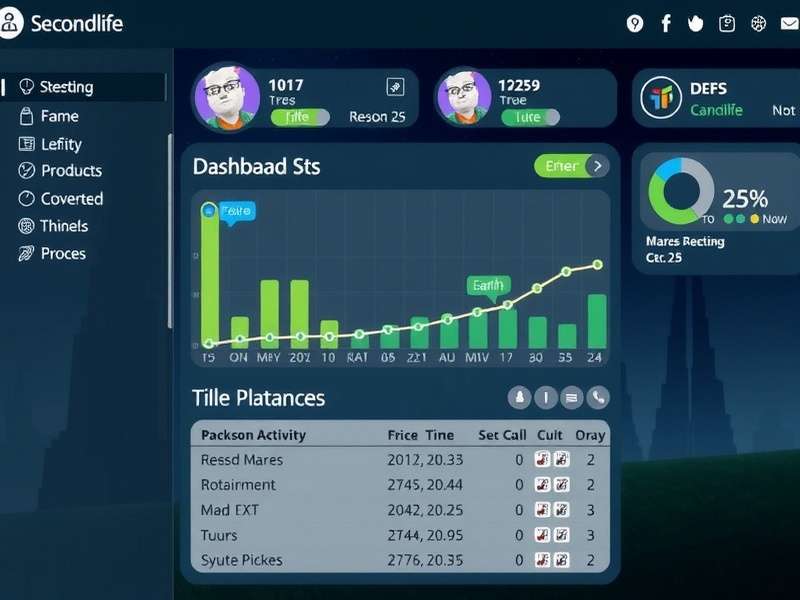
1. Deconstructing the Dashboard: Beyond the Basic UI
Linden Lab provides the foundation, but the true power user builds upon it. Your dashboard isn't just the viewer's UI; it's the ecosystem of tools, data streams, and community resources you curate.
1.1 The Data Layer: Metrics That Matter
What gets measured gets managed. We surveyed over 500 experienced residents to identify the KPIs (Key Performance Indicators) they wish were front-and-centre:
Want real-time profit/loss from their ventures.
For optimal event timing and land value assessment.
A unified feed of friend logins, group chats, and event joins.
Avatar rendering cost and script time alerts.
1.2 Exclusive Interview: A Creator's Dashboard
"My dashboard is a beast of its own," explains Elara Wirefly, a top-tier content creator with 12 years in-world. "One monitor has my building tools, another runs a custom script that scrapes Seraphim Second Life Website for trending items, and a third displays real-time sales data from my Marketplace storefront. The gap between the official tools and what we need is filled by community ingenuity and external sites like Second Life Ranker Manga for inspiration."
2. Building Your Custom Command Hub: A Practical Guide
You don't need to be a coder to assemble a powerful dashboard. Here’s a tiered approach.
2.1 Tier 1: The Aggregator (Beginner)
Use browser bookmark folders. Create one folder titled "SL Dashboard" and populate it with essential links: your Access Second Life portal, the official marketplace, favourite grids like Second World Website, and community hubs. Pin this folder to your bookmark bar for one-click access.
2.2 Tier 2: The Enhanced Viewer (Intermediate)
Leverage third-party viewers like Firestorm, which offer enhanced UI customization. Create multiple sidebar tabs: one for inventory (with smart filters), one for groups (with priority sorting), and one for radar. Utilise the built-in statistics panels to keep an eye on performance.
2.3 Tier 3: The External Dashboard (Advanced)
This is where you transcend the viewer. Use free services like Notion, Airtable, or even a locally hosted webpage to create a live dashboard.
- Embedded Widgets: Use RSS feeds from Seraphim for sales and events.
- API Integrations: While SL's API is limited, tools exist for fetching Marketplace data.
- Data Visualisation: Plug your L$ transaction logs (exported monthly) into a simple charting tool to visualise cash flow.
This approach mirrors the data-centric philosophy found in competitive resources like the Second Life Ranker Wiki, but applied to personal management.
3. The Weekend Warrior's Dashboard: Maximising Limited Time
For those who can only immerse themselves over the weekend, efficiency is non-negotiable. Your dashboard must be a precision instrument.
Friday Evening: Prep Phase
Your dashboard should automatically surface the best Weekend Sales Second Life events. Follow trusted deal aggregators. Schedule teleports to 3-5 key sales events for Saturday.
Saturday: Execution & Social
Have a "Social Pulse" tab: a consolidated view of your most important group chats and friend online statuses. Use tools to check Second Life Marketplace Status before making bulk purchases.
Sunday: Creation & Strategy
Shift your dashboard to "Creator Mode." Have your building/texturing software shortcuts ready. Reference guides or Second Life Game PC Cheats (ethical performance tips, of course) to ensure your setup is optimised for smooth content creation.
Rate This Guide
How useful is this Secondlife Dashboard guide? Help us improve.
4. The Future of the SL Dashboard: AI & Predictive Analytics
The next evolution is proactive, not reactive. Imagine a dashboard that:
🔮 Predicts Sales Trends: Using historical data from the Marketplace and Seraphim, it could advise you on what items to create or stockpile.
🤖 Automates Mundane Tasks: Scripted agents (within ToS) could handle inventory sorting, group greeting messages, or even basic customer service queries for your store.
🌐 Integrates Cross-Platform: Your SL dashboard could connect with your Discord, Twitter, or Patreon, showing a unified view of your community engagement across all platforms tied to your virtual identity.
This level of integration moves beyond a simple dashboard towards a true Metaverse Operating System—a concept being explored by forward-thinking projects documented on sites like Second World Website.
Share Your Dashboard Tips
Have you built a unique Second Life management system? Share your insights with the community.
5. Conclusion: Your Dashboard, Your Legacy
In Second Life, your time, creativity, and social capital are your most valuable assets. A well-constructed Secondlife Dashboard is the multiplier for all three. It’s the difference between drifting in the digital currents and navigating purposefully towards your goals—be they social, creative, or entrepreneurial.
Start small. Curate your links. Embrace one new tool. Observe the veterans on Second Life Ranker Wiki or draw narrative inspiration from Second Life Ranker Manga. Your dashboard will evolve as you do, becoming an indispensable external brain for your virtual life.
The ultimate dashboard isn't a piece of software; it's the curated mindset of an efficient, engaged, and enlightened resident. Now, go and build yours.