What Is Second Life Game? The Definitive Guide to the Pioneering Metaverse
Second Life isn't just a game—it's a parallel universe, a digital society, and an economic powerhouse all rolled into one. Since its launch in 2003, it has defied categorization, evolving into a user-generated virtual world where millions live, work, create, and socialise. This comprehensive guide dives deep into what makes Second Life unique, how it works, and why it remains relevant two decades later.
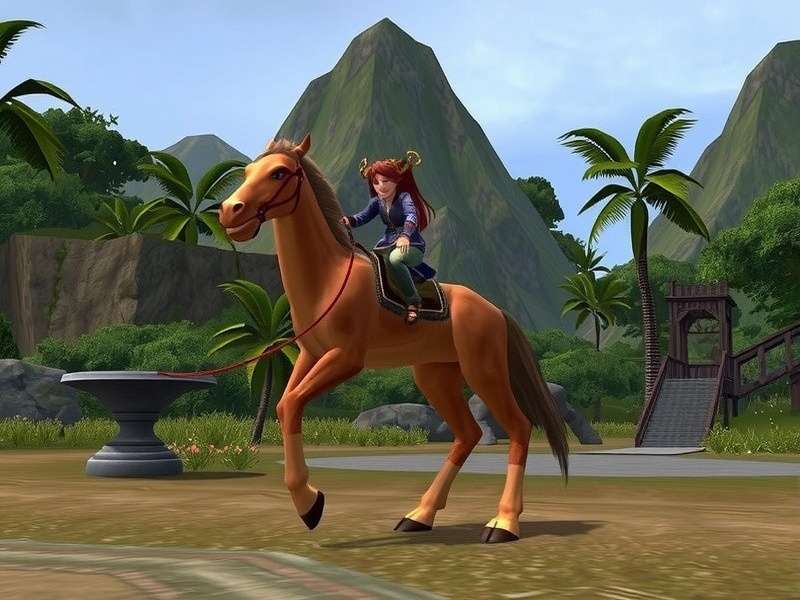
🤔 Second Life Explained: Beyond the Hype
To understand Second Life, you must first discard conventional notions of gaming. There are no predefined quests, no levels to grind, and no overarching narrative imposed by developers. Instead, Linden Lab, the creators, provide the canvas—a persistent 3D world—and the tools. The residents (not "players") fill it with content, meaning every building, landscape, piece of clothing, and social event is created by users.
This fundamental shift from consumption to creation is what sets Second Life apart. It's a platform for experience. You can attend a live concert by a real musician streaming their performance, take a university course hosted by a major institution, design and sell virtual fashion that generates real-world income, or simply explore mind-bending art installations. The only limit is collective imagination.
Key Distinction: Unlike massively multiplayer online role-playing games (MMORPGs) like World of Warcraft, Second Life has no "game mechanics" like combat or experience points. Its primary mechanics are creation, communication, and commerce.
The Birth and Evolution of a Digital Society
The story begins with Philip Rosedale and Linden Lab in San Francisco. Inspired by the cyberpunk novel "Snow Crash," they envisioned a shared virtual space. The beta launched in 2002, with the public launch following on June 23, 2003. The early days, often explored by fans of Second Life Gameplay 2003, were raw and experimental—a digital frontier.
Growth was explosive. By 2006-2007, Second Life was a media sensation, featuring on CNN, BBC, and in countless magazine covers. Corporations like IBM, BMW, and Reuters established virtual presences. Universities built campuses. The in-world economy, powered by the Linden Dollar (L$), became a serious subject of study. While the initial hype cycle faded, the core community not only remained but matured, building a stable, complex society.
Core Pillars of the Second Life Experience
- Avatar Identity: Your digital self is infinitely customizable. From human to animal, robot to abstract form, your avatar is your statement.
- User-Generated Content (UGC): Using built-in tools and external software like Blender, residents create everything. This is the world's lifeblood.
- Virtual Economy: A fully-functional capitalist economy with its own currency (L$) traded on the Second Life Market Place. Millions of USD change hands annually.
- Social Fabric: From friendships and romantic relationships to business partnerships and support groups, rich social connections are central.
- Land Ownership: Residents can own virtual land (simulators or "sims"), build on it, and control access, creating everything from private homes to bustling commercial districts.
60M+
Registered Accounts
$650M
Annual User-to-User Transactions
200+
Countries with Active Residents
50K+
Daily Active Users
🎮 How Does Second Life Gameplay Actually Work?
"Gameplay" in Second Life is emergent. You log in via a free client, customise your avatar, and find yourself in a starting area. From there, the world is your oyster. The core activities break down into several categories, each with deep subcultures.
Creation and Building: The Heart of the World
Using the robust in-world building tools, you can create primitives ("prims")—basic shapes—and sculpt them into complex objects. With the addition of textures, scripts (using Linden Scripting Language, or LSL), and animations, a simple cube can become a dancing fountain, a functional car, or an interactive game. The learning curve exists, but countless tutorials and helpful communities make it accessible. This creative power is what fuels the Marketplace Second Life, where creators sell their digital goods.
Socialising and Community Events
Social hubs range from realistic pubs and beach clubs to fantastical alien landscapes. Voice and text chat facilitate conversation. The event calendar is packed: live music performances, DJ sets, art gallery openings, academic lectures, fashion shows, and role-playing events. Communities form around every interest imaginable—from steampunk and fantasy to mindfulness and professional networking.
Role-Playing (RP) and Narrative Experiences
While not enforced, many residents engage in elaborate role-play. There are dedicated Second Life Silent Vengeance style combat sims, medieval kingdoms, post-apocalyptic wastelands, and hyper-realistic modern cities. These communities create their own rules, lore, and social structures, offering deep immersive experiences. For a thrilling narrative-driven experience, some seek out adventures like Second Life Silent Vengeance.
Commerce and Entrepreneurship
This is where Second Life gets serious. The Linden Dollar (L$) is traded on the LindeX exchange at a floating rate (roughly L$250 = $1 USD). Creators sell clothing, homes, vehicles, animations, and entire regions. Top entrepreneurs earn six-figure real-world incomes. The marketplace is fiercely competitive, demanding skill in design, marketing, and customer service. Managing your virtual business often requires a Second Display to monitor multiple tasks.
💰 The Second Life Economy: A Real Market in a Virtual World
The economy is perhaps the most studied aspect of Second Life. It's a pure example of a user-driven digital market.
- Content Creation: The primary industry. Digital goods are produced, marketed, and sold.
- Land Barons: Individuals or groups who own large tracts of virtual land, subdividing and renting it to other residents.
- Service Providers: Scripters, animators, architects, and event planners offer custom services.
- Entertainment: DJs, musicians, and club hosts earn tips and performance fees.
The annual transaction volume consistently exceeds half a billion US dollars. This vibrant economy is supported by the official Second Life Market Place web platform and in-world stores.
🌟 Why Second Life Still Matters in 2024 and Beyond
In an era of "metaverse" buzzwords, Second Life is the original, fully-realised version. It offers lessons and a proven model.
- User Ownership: Residents truly own their creations (IP rights are granted to creators by Linden Lab). This empowers a real economy.
- Depth Over Hype: While graphics may not match modern AAA games, the depth of interaction, social history, and economic complexity is unmatched.
- A Sanctuary for Niche Communities: It provides a safe, persistent space for communities marginalised in the physical world or with highly specific interests.
- A Tool for Good: Used for therapy, disability support, remote work collaboration, and education. Many organise Toy Donations drives and other charitable events in-world.
For new residents, the key is to explore the Second Life Destination Guide, find your interests, and don't be afraid to talk to people. The community is generally welcoming to "newbies."