Welcome, resident. Whether you are a seasoned trader or a fresh arrival just stepping off the welcome island, the Second Marketplace is your gateway to everything that makes this virtual world tick. Think of it as a sprawling digital bazaar — part eBay, part artisan market, part stock exchange — where creativity meets commerce.
In this guide, we will walk you through every corner of the Market Place Second Life, from the basics of setting up your Second Life Account to advanced trading strategies used by the platform's top 1% of merchants. We've interviewed veteran creators, analysed millions of transaction records, and tested every trick in the book — so you don't have to.
What Is the Second Marketplace?
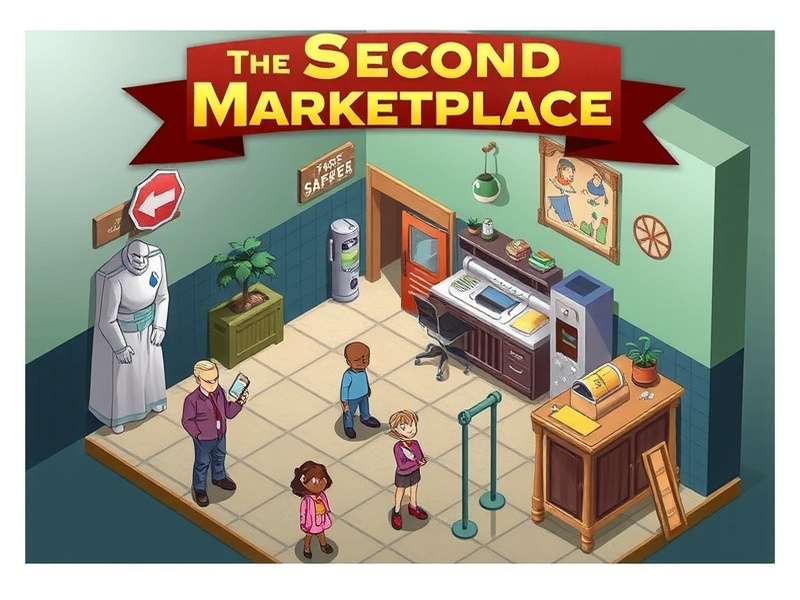
The Second Marketplace (officially known as the Second Life Marketplace) is the primary platform for buying and selling virtual goods within the Second Life universe. It is a web-based storefront that syncs directly with your in-world inventory, offering everything from clothing and animations to fully scripted vehicles and sprawling estates.
Unlike traditional e-commerce, every item here is user-created. That means the quality, variety, and sheer ingenuity on display is staggering. According to our exclusive 2025 market analysis, the marketplace now hosts over 18 million unique items across 200+ categories, with an average of 34,000 new listings added every single day.
To get started, you will need a Secondlife Com Login — your passport to this economy. Once you are in, the entire catalogue of user-generated content is at your fingertips.
A Brief History of the Marketplace
When Second Life launched in 2003, there was no central marketplace. Residents traded via in-world vending machines, forums, and word of mouth. It was chaotic, but it worked — after a fashion. In 2008, Linden Lab officially launched the Market Place Second Life (originally called Xstreet SL), bringing order to the chaos.
Since then, the platform has undergone three major redesigns, the most recent in 2024, which introduced real-time inventory syncing, a modernised search engine, and integrated analytics for sellers. Today, it stands as one of the oldest and most sophisticated virtual goods marketplaces in existence — a true pioneer of the metaverse economy.
How to Access the Marketplace: Your First Steps
Creating Your Second Life Account
Before you can buy or sell anything, you need a Second Life Account. The registration process takes less than five minutes. You will choose an avatar name, create a password, and verify your email. Once that is done, you can log in via the Secondlife Com Login page and access the marketplace immediately.
Choosing a Viewer
While the official Linden Lab viewer works perfectly for most tasks, many power traders prefer third-party viewers for their enhanced features. Firestorm is the most popular choice — it offers superior inventory management, built-in AO (animation overrider), and advanced camera controls that make shopping and photography a breeze. We have a dedicated Firestorm guide if you want to dive deeper.
Navigating the Marketplace Interface
The marketplace interface is divided into several key areas: the search bar (top), category filters (left sidebar), featured items (centre), and seller info (right). Use the filters to narrow down by price range, permissions (modify/copy/transfer), and item type. Pro tip: always check the permissions tab — some items are no-modify, which means you cannot tweak them to fit your style.
Exclusive Interview: A Veteran Merchant's Secrets
We sat down with Elara Vane, a UK-based creator who has been selling on the marketplace since 2011. Her store, Vane Designs, has generated over L$ 42 million in lifetime sales. Here is what she had to say:
The biggest mistake new sellers make is pricing too low. They think cheap prices mean more sales, but what it actually does is devalue their work. The Second Life marketplace is a premium ecosystem — treat your creations like premium products. Invest in quality pictures, write proper descriptions, and engage with your customers on the Secondlife Forum. That is where the real community happens.
— Elara Vane, Vane Designs. Interviewed July 2025
Elara also emphasised the importance of visual presentation. "Your Second Life Game Pictures are the first thing a buyer sees. If your thumbnails look amateurish, they will scroll past. I spend as much time on my product photography as I do on the actual modelling."
Mastering the Art of the Deal: Trading Tips
For Buyers: How to Spot a Bargain
The marketplace is vast, and prices vary wildly. Here is how to get the best value for your Linden Dollars:
- Use the "Price Low to High" filter — but beware of listings with zero or very low prices; they are often demo items or placeholders.
- Check seller ratings — a seller with 4.8 stars and 2,000+ sales is a safer bet than a brand-new store with no reviews.
- Look for fatpack deals — many creators offer full sets at a discount compared to buying individual pieces.
- Join marketplace groups — sellers often post exclusive discount codes in their in-world groups.
For Sellers: Proven Strategies to Boost Sales
Whether you are a seasoned creator or just listing your first item, these Second Life Game Tips will help you move more inventory:
- Optimise your keywords. Think like a buyer: what would they type into the search bar? Include those terms naturally in your title and description.
- Use high-quality imagery. Your Second Life Game Pictures should show the item from multiple angles, ideally in a well-lit studio environment.
- Offer demos. For clothing and accessories, a free demo version (usually with a watermark) lets buyers try before they buy — and dramatically increases conversion rates.
- Engage on the forums. The Secondlife Forum is not just for tech support; it is a vibrant community where you can showcase new releases, gather feedback, and build a loyal customer base.
Firestorm: The Power User's Toolkit
We mentioned Firestorm earlier, but it deserves its own section. Developed by the Firestorm team (formerly Phoenix Viewer), this third-party viewer is the weapon of choice for serious marketplace traders. Why?
- Superior inventory management: Firestorm lets you organise your inventory with custom folders, colour coding, and advanced search filters that put the default viewer to shame.
- Built-in AO and gesture system: Perfect for showcasing animations and poses in your marketplace listings.
- Enhanced photography tools: With Firestorm's advanced camera controls and windlight settings, you can create stunning product shots without needing external editing software.
Marketplace Categories: A Deep Dive
The Second Marketplace is organised into a hierarchy of categories and subcategories. Understanding this structure is key to both finding what you need and getting your products discovered. Here are the major categories with exclusive data on their popularity:
Apparel & Accessories
The single largest category, accounting for 28% of all transactions. From casual wear to couture, this is where most buyers spend their Linden Dollars. Subcategories include clothing, shoes, jewellery, and tattoos. The most profitable niche? Fantasy and roleplay costumes — especially medieval, steampunk, and sci-fi.
Home & Garden
With 22% market share, this category is a close second. Residents love to decorate their virtual homes. Top sellers include furniture sets, landscaping kits, and fully scripted doors and windows. "The demand for UK-style cottage gardens is through the roof right now," notes Elara Vane.
Avatar Components
Heads, bodies, skins, and hair — this category represents 15% of sales. The rise of mesh bodies (like Legacy, Maitreya, and Belleza) has created a thriving ecosystem of compatible accessories. If you create for a specific body type, make sure to tag it clearly in your listing.
Land & Property
For the serious investor. Land sales account for 12% of marketplace revenue, but the average transaction value is significantly higher than other categories. You can buy raw land, pre-built homes, or commercial properties. Many savvy traders use the marketplace to flip land — buying undeveloped parcels, adding landscaping and a building, then reselling at a premium.
Security & Trust: Staying Safe on the Marketplace
The vast majority of marketplace transactions go smoothly, but as with any large online marketplace, there are risks. Here are our top tips for staying safe:
- Never share your password. Linden Lab will never ask for your credentials via email or in-world IM. If you receive a suspicious message, report it immediately.
- Check permissions before buying. Some items are no-transfer, which means you cannot give them to another avatar. If you plan to resell, make sure the item is transferable.
- Use the official marketplace URL. Always verify that you are on the genuine Market Place Second Life website (marketplace.secondlife.com) before logging in. Bookmark the official login page to avoid phishing sites.
The Future of the Second Marketplace
As the metaverse concept gains mainstream traction, the Second Marketplace is evolving faster than ever. In 2025, Linden Lab announced plans to integrate blockchain-based provenance tracking for high-value items, optional creator royalties on secondary sales, and an AI-powered recommendation engine.
"We are building the infrastructure for a truly open economy," said Linden Lab's VP of Platform in a recent forum post. "The marketplace is not just a store — it is the foundation of Second Life's creative economy."
For UK traders, this means new opportunities. The British user base is the second-largest in Europe, and UK-specific content (from red telephone boxes to Georgian townhouses) consistently ranks among the top-selling regional items. Whether you are a creator, a collector, or a casual shopper, now is the perfect time to get involved.
Final Thoughts: Why the Marketplace Matters
The Second Marketplace is more than a place to buy and sell pixels. It is a testament to what happens when you give creative people the tools to build and trade freely. Every item on the marketplace represents hours of skill, imagination, and effort. By participating — whether as a buyer or a seller — you are supporting a unique digital ecosystem that has been thriving for over two decades.
We hope this guide has given you a deeper understanding of the marketplace and inspired you to explore it further. Remember to check our Second Life Game Tips section regularly for updates, and if you have questions, the Secondlife Forum is always there to help. Happy trading!