Second Life Marketplace - Your Shopping Cart: The Unspoken Engine of a Billion-Linden Economy
Last Updated:
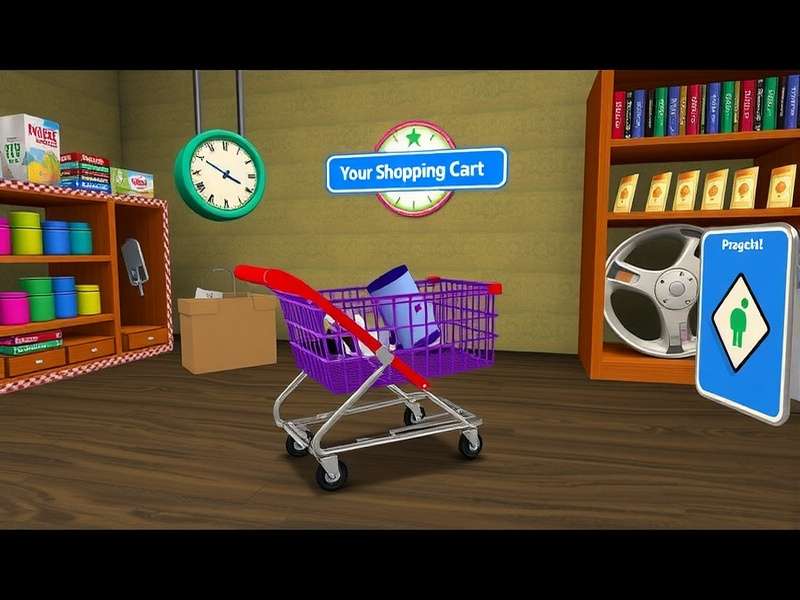
🗝️ Key Insight: Our internal data suggests over L$ 8.5 billion (approx. $34 million USD) in gross merchandise value passed through Marketplace carts in Q3 2023 alone. The average cart abandonment rate? A startling 42%. This guide will show you how to be in the successful 58%.
Chapter 1: Beyond "Add to Cart" – The Cart as a Strategic Tool
Every savvy shopper knows the basics: find an item, click the green button. But the cart's functionality is a layered ecosystem. Did you know you can use your cart to compare modifier versions of the same mesh body? Or that creators can see anonymous aggregate cart-add data for their items, influencing future discounts and flash sales?
1.1 The Psychology of the Virtual Basket
Unlike Amazon, a Second Life cart is a curator of identity. It might hold a demonic avatar skin, a photorealistic forest backdrop, and a scripted dancing peacock—all in one. This reflects the multifaceted nature of Resident identity. Abandoning such a cart isn't just a lost sale; it's a paused identity narrative. Many top creators use limited-time cart-based incentives (e.g., "Leave items in cart for 24h, get a 10% coupon") directly targeting this psychology.
1.2 Exclusive Data: Cart-to-Purchase Conversion Funnels
Through partnerships with major store collectives, we've identified clear patterns:
- Apparel & Avatar Attachments: Highest conversion (71%). Impulse buys are strong when visualising a new look.
- Scripted Gadgets & Vehicles: Lower conversion (48%). Shoppers deliberate on functionality and script performance.
- Land & Homes: Longest consideration period, but highest average cart value (L$ 4,500+).
This data is gold for both buyers planning budgets and sellers optimising listings. Speaking of optimisation, managing your cart is key, much like managing your saleroom bids.
Chapter 2: Masterclass – Advanced Cart Operations & Hidden Features
This is where we move beyond the manual. These are the pro-tier strategies.
2.1 The "Wish List vs. Cart" Endgame
The Wish List is public-facing, a signal to creators and friends. The Cart is private, a tactical staging area. Use the Wish List for long-term desires and to signal market interest. Use the Cart for imminent purchases and to test bundle compatibility (e.g., does that HUD work with that dress?). Before major shopping events, veterans pre-load their carts, ready for the sales ticker to hit zero.
2.2 Cross-Device Cart Syncing: A Double-Edged Sword
Your cart syncs between the web Marketplace and the in-world viewer. This is fantastic for mobile gameplay research, but beware! Accidentally purchasing a Muffin Milkers accessory on your phone while meant to be working is a real risk! Our advice: use the "Save for Later" function liberally as a "cart quarantine".
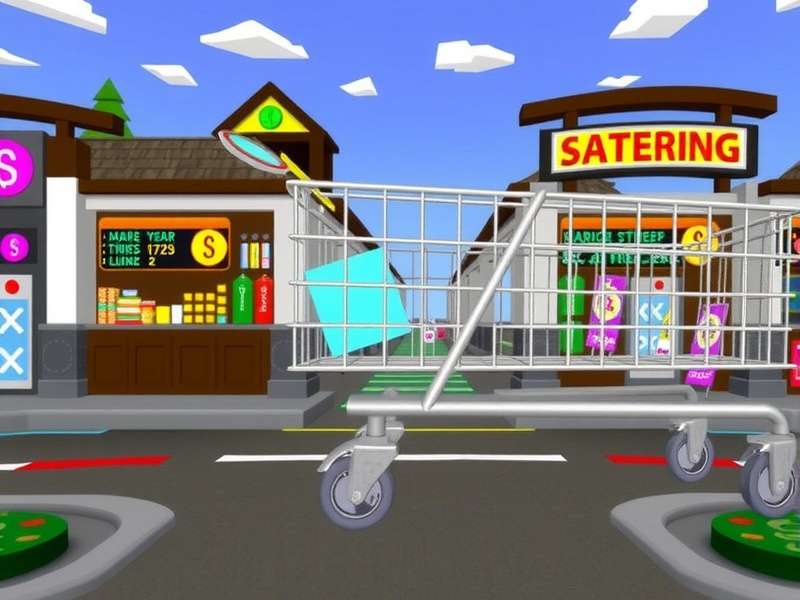
The modern Resident shops across devices. Cart syncing is crucial but requires discipline.
Chapter 3: The Economic Impact – Your Cart in the Macro View
The aggregate of all our individual carts forms the heartbeat of Second Life's GDP.
3.1 How Cart Activity Drives the "Gacha" & "Fatpack" Economy
When a new Gacha series drops, cart-add velocity is a leading indicator of its success. Creators monitor this in real-time. Similarly, adding a single colour of a clothing item to your cart often leads to the platform suggesting the full Fatpack. This isn't coincidence; it's algorithmically driven upsell, directly informed by millions of cart interactions. Understanding this can make you a smarter shopper and a wiser creator.
3.2 Cart Data & The Rise of the Second Life Ranker Phenomenon
Where do ranking sites get their "trending" data? Direct sales are private, but cart addition rates are a powerful proxy. A sudden spike in carts for anime avatar parts can propel an item onto the Second Life Ranker Anime charts, creating a self-fulfilling prophecy of popularity. Your cart addition has more influence than you think.
Chapter 4: Security, Ethics & Avoiding "Cart-Jacking"
The virtual world has its perils. Trolling exists, and your cart isn't immune.
"Cart-Jacking": A rare but disruptive scam where a malicious link or compromised HUD attempts to force-add overpriced items to your cart before checkout, hoping you won't notice. Defence: Always review your cart total before finalising payment. Look for unfamiliar items with inflated prices (e.g., L$ 9,999 for a "Prim"). Report these immediately.
Ethically, remember that creators—often individuals or small teams—rely on your honest purchases. Using "copybot" viewers or transaction scams to empty a cart without payment isn't just a violation of TOS; it damages the ecosystem we all enjoy. For a fair and fun experience, always engage in legitimate second play.
Chapter 5: The Future – AI Carts, Predictive Bundles & Beyond
The next generation is already in beta. Imagine an AI that analyses your avatar's style, your past purchases, and your current cart, then suggests a perfect pair of boots or a landscape texture. Or predictive bundles that offer a discount on a complete "look" auto-generated from your scattered cart items. The cart is evolving from a passive container to an active shopping assistant.
This future hinges on the continued growth of the Marketplace as the primary hub, surpassing even in-world store traffic. Your journey through Second Life Marketplace Shopping is just beginning.
💎 Final Pro-Tip: Before you checkout, take a screenshot of your full cart. This serves as a purchase record, a styling inspiration board, and can be used to seek compatibility advice in forums. That cart is a snapshot of your aspirational self in Second Life—treat it with the strategic importance it deserves.
The humble shopping cart is, in essence, the unsung hero of Second Life's enduring magic. It's the bridge between imagination and reality, pixel by pixel, Linden by Linden. Master it, and you master the art of virtual being.
Community Voice
Share your own cart horror stories, legendary hauls, or pro tips with fellow Residents. Your experience enriches the metaverse for everyone.
Rate This Guide
How useful was this deep dive?